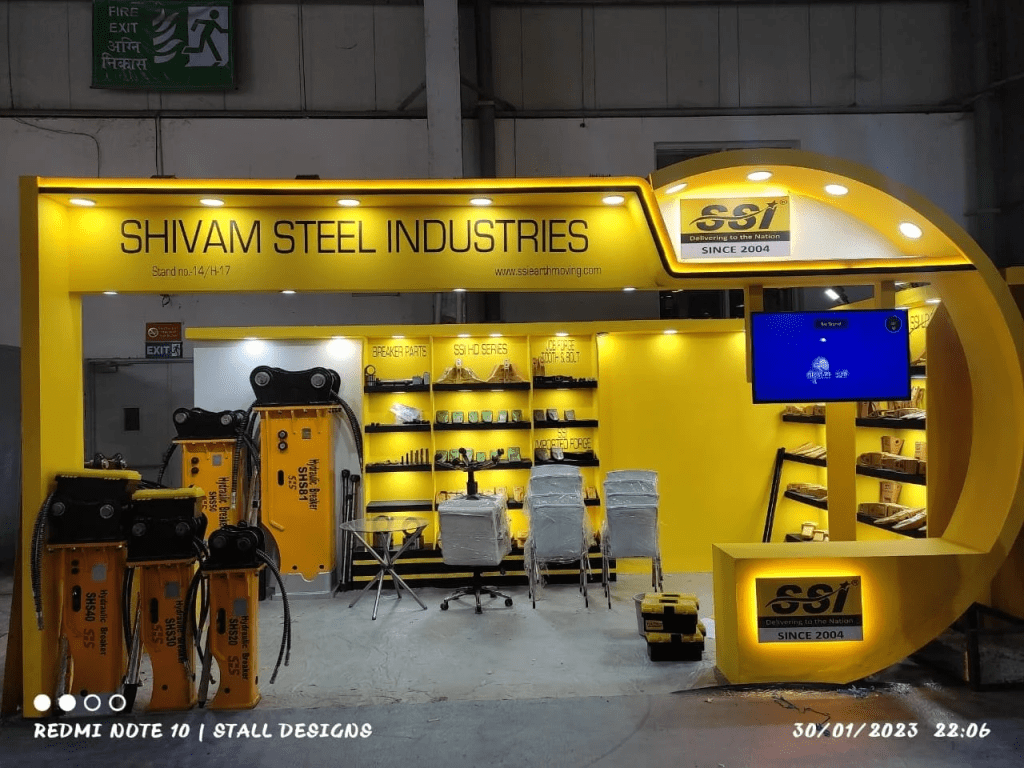
When it comes to exhibition stall or booth design, even small mistakes can make a huge difference between attracting a crowd and blending into the background. Exhibitors often invest heavily in participating at trade shows, covering space rental, logistics, marketing, and staff. However, one overlooked area is the design of the exhibition space itself. A poorly designed booth can waste your investment, while a well-thought-out design can generate high-quality leads, enhance brand perception, and leave a lasting impression on potential clients.
In this guide, we’ll explore the most common exhibition stall design mistakes exhibitors make and, more importantly, how to avoid them. By identifying these pitfalls, you’ll be better equipped to maximize engagement at your next event.
Why First Impressions Matter in Exhibition Stand Design
Visitors to trade shows make snap judgments. Research suggests that it takes only a few seconds for someone to decide whether they’ll engage with your booth—or move on to the next. This means your exhibition space is more than just an area to display products; it’s a brand statement.
An effective exhibition stand design should:
- Clearly communicate your brand identity.
- Provide an inviting atmosphere that encourages exploration.
- Help your business stand out in a crowded venue.
If your stand looks cluttered, outdated, or unprofessional, attendees may assume the same about your brand. On the flip side, a clean, attractive, and purposeful design communicates professionalism, innovation, and reliability. Exhibitors who take the time to plan their booth design with intention often outperform competitors by drawing in more visitors and creating stronger connections.
Common Mistakes Exhibitors Make
Even experienced exhibitors sometimes fall into common traps that weaken the effectiveness of their booth. Below are the most frequent mistakes and tips to correct them.
1. Overcrowding the Space
One of the most frequent design flaws is trying to fit too much into a limited area. Exhibitors often add excessive signage, too many product samples, or an overload of promotional material. The result? A cluttered booth that confuses visitors and discourages them from stepping inside.
How to avoid this mistake:
- Prioritize clarity over quantity. Display only your most impactful products or visuals.
- Use clean design elements and open spaces to make your booth feel inviting.
- Focus on one key message or theme that attendees will remember.
Remember, less is often more when it comes to exhibition stall design.
2. Ignoring Visitor Flow and Layout
The way people move through your booth is critical. Poorly planned layouts may create bottlenecks, discourage visitors from staying, or hide your key products. For example, placing large displays near the entrance might block access, while a closed-off structure can seem uninviting.
Best practices for layout:
- Create open entry points so visitors feel welcome.
- Arrange displays in a way that guides people naturally through your stand.
- Ensure product demonstrations or meeting spaces don’t block traffic flow.
Think of your booth as a retail store—your layout should guide attendees smoothly from curiosity to engagement.
3. Weak Branding and Messaging
Another common error is failing to establish a strong, consistent brand presence. Some exhibitors use generic designs or forget to showcase their logo and tagline prominently. Without clear branding, visitors may pass by without understanding who you are or what you offer.
To strengthen branding:
- Use your company’s colors, fonts, and imagery consistently across your booth.
- Highlight your logo in high-visibility areas.
- Keep messaging short, clear, and benefit-driven (e.g., “Save 50% Time with Our Automation Software”).
Strong branding ensures visitors immediately connect your stand with your business.
4. Poor Lighting Choices
Lighting can dramatically influence how your booth is perceived. Dim, uneven, or overly harsh lighting can make your stand unappealing. Without proper lighting, even the most beautifully designed booth can go unnoticed.
Lighting tips:
- Use spotlights to highlight key products or signage.
- Incorporate ambient lighting to create a welcoming mood.
- Experiment with LED displays or color-changing lights to stand out.
Think of lighting as the stage for your exhibition stand—it should emphasize the right elements and set the tone for your brand.
5. Neglecting Technology Integration
In today’s digital world, booths without interactive elements risk feeling outdated. Attendees expect engagement beyond brochures and static displays. Exhibitors who neglect technology—such as touchscreens, AR/VR demos, or digital catalogs—miss an opportunity to captivate their audience.
Smart tech integration includes:
- Touchscreen kiosks with product details or videos.
- Virtual reality (VR) demos to showcase large or complex products.
- QR codes linking to exclusive online content.
By embracing technology, you make your booth more memorable and engaging.
6. Forgetting the Human Element
Even the most beautifully designed booth fails if your staff are disengaged, unapproachable, or untrained. People remember experiences, and booth staff play a major role in shaping them.
How to improve staff presence:
- Train your team to be welcoming, knowledgeable, and approachable.
- Ensure staff attire aligns with your brand image.
- Rotate shifts so employees stay energized and alert.
Your stand may attract visitors, but it’s your people who convert them into leads.
Read also this: Top 5 3D Stall Design Trends to Watch in 2025
How an Exhibition Booth Designer Elevates Your Success
At this stage, exhibitors often wonder whether professional help is worth the investment. The answer is a resounding yes. Partnering with an expert in exhibition stand design or an experienced exhibition booth designer can transform your presence from ordinary to extraordinary.
Here’s why:
- Creative Vision – Designers know how to blend branding with aesthetics to create a stand that resonates with your audience.
- Functionality – They understand the balance between style and usability, ensuring your booth is practical for both staff and visitors.
- Cost Efficiency – While DIY approaches may seem cheaper, professional designers help avoid costly mistakes and maximize ROI.
- Customization – A designer tailors your stand to your business goals, ensuring your booth doesn’t just look good but also drives measurable results.
A case study example: companies that worked with booth designers reported higher visitor engagement, more qualified leads, and improved brand recall compared to those who managed design internally.
Pro Tips for Planning Your Exhibition Stand Design
Beyond avoiding mistakes, exhibitors can take proactive steps to optimize their presence at events.
- Research Competitors: Visit other booths to see what works and what doesn’t.
- Plan for Modularity: Modular stands allow you to adapt to different event sizes without redesigning from scratch.
- Balance Creativity with Practicality: Bold designs are great, but functionality should not be sacrificed.
- Think Audience First: Tailor the booth experience to the specific demographics of your trade show visitors.
- Test Beforehand: Do a mock setup to identify potential issues with spacing, lighting, or signage.
These planning tips ensure your booth is not only attractive but also strategically designed for results.
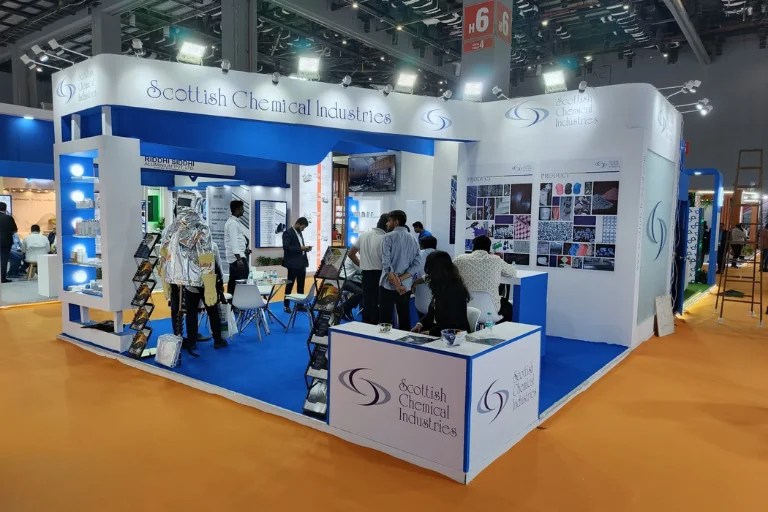

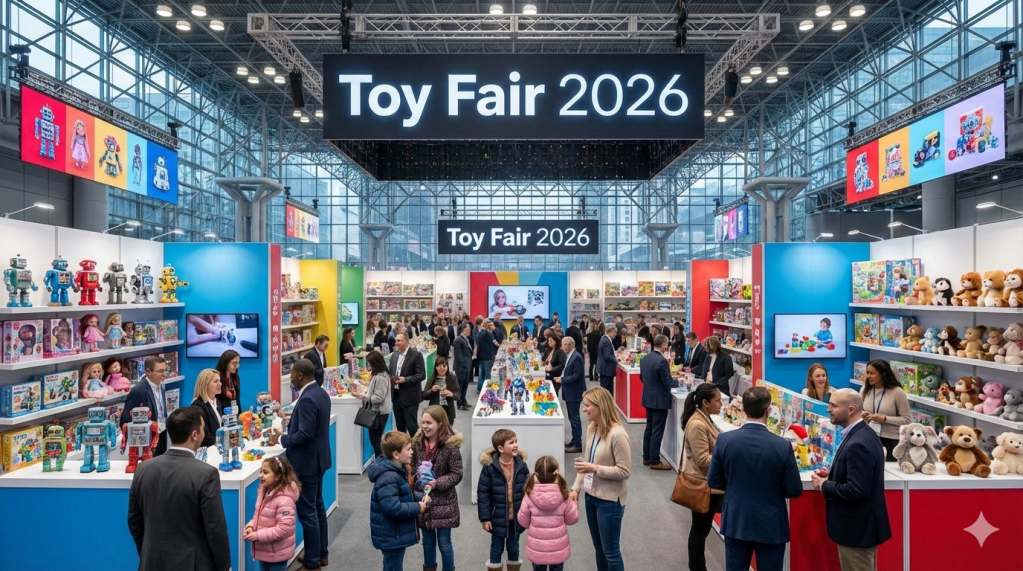
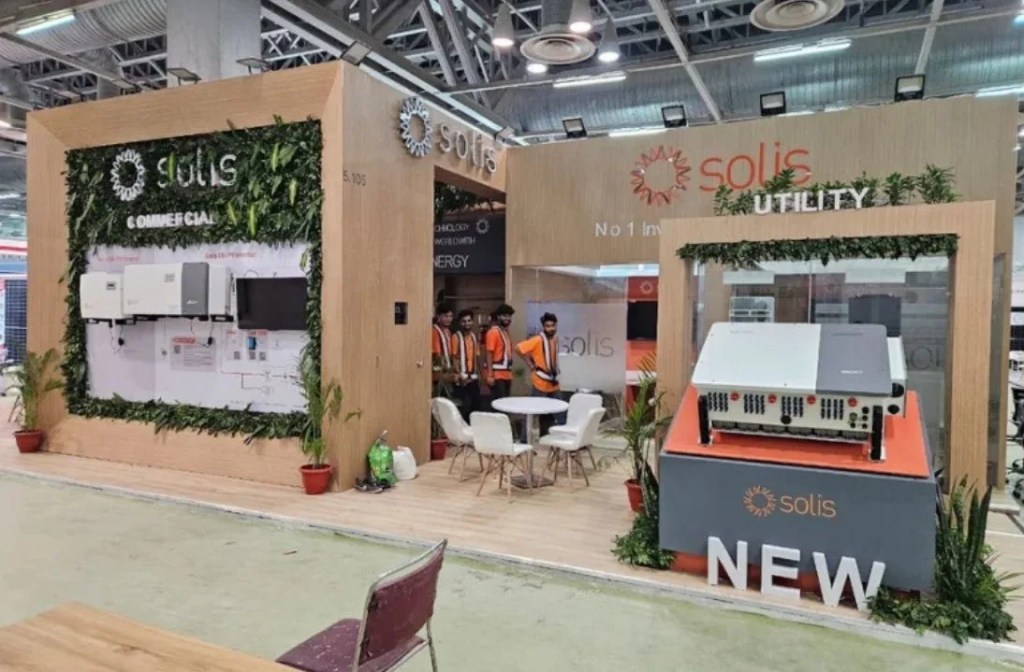
Conclusion
Ultimately, your booth design is a powerful tool to engage potential clients and represent your brand. Avoiding mistakes like overcrowding, poor layouts, weak branding, and a lack of technology can drastically improve your outcomes.
Whether you’re setting up for your first show or refining your approach, keep in mind that your exhibition stall is more than just a physical space—it’s a stage for your brand story. Every element, from layout to staff interactions, contributes to the impression you leave behind.
By avoiding these pitfalls, you’ll position your business to stand out, attract visitors, and turn trade show participation into a worthwhile investment.


Leave a comment