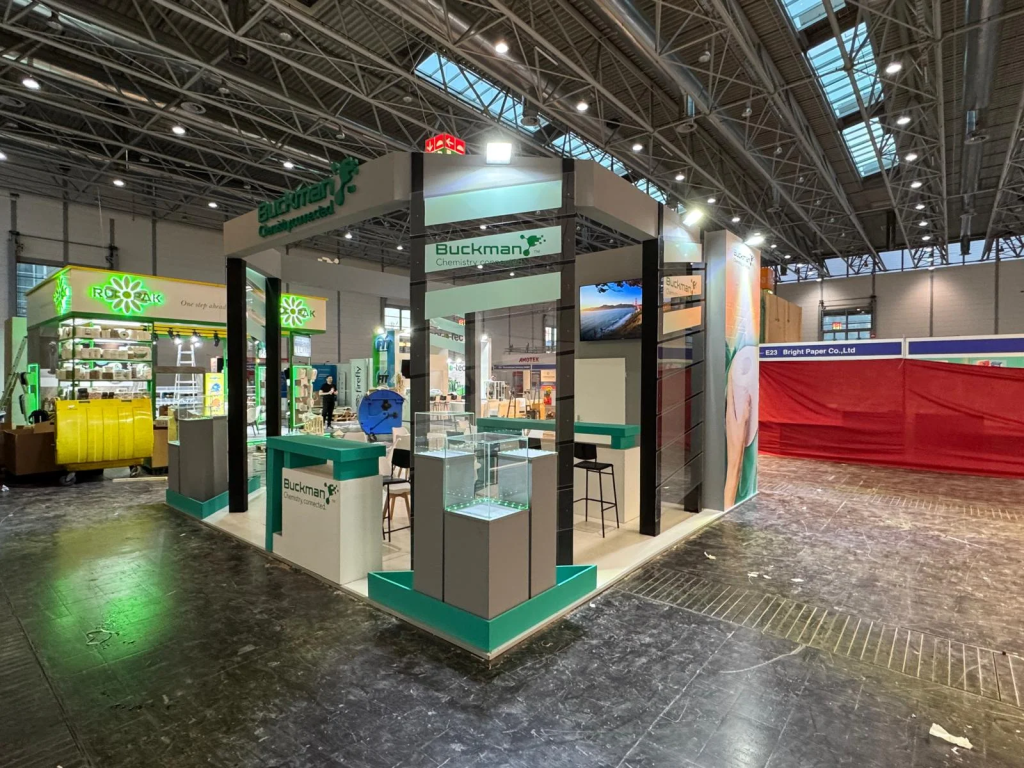
When creating an eye-catching exhibition stall, the design is just half the story — the materials you choose are equally important. The right materials don’t just bring your event stall design to life; they also influence its durability, portability, and visual appeal. Whether you’re aiming for a creative stall design, a minimal setup, or a high-tech 3D exhibition stall design, knowing the available material options can help you make informed decisions.
In this guide, we’ll explore the most popular materials used for designing exhibition booths and their pros, cons, and ideal use cases.
1. Aluminum Frames – Lightweight and Durable
Aluminum is one of the most common materials for exhibition stall frameworks. Known for its light weight, strength, and corrosion resistance, aluminum makes setup and transportation far easier than heavier metals.
Advantages:
- Lightweight for easy handling
- Durable and rust-proof
- Reusable for multiple events
- Supports both simple exhibition stall design and complex structures
Best for: Portable stalls, modular systems, and reusable event stall design where quick assembly matters.
2. Plywood – Strong and Versatile
Plywood is often the go-to choice for creating sturdy panels, counters, and display units. It allows flexibility in creative exhibition stall design since it can be cut into different shapes, painted, and laminated.
Advantages:
- Excellent strength
- Can be customized with paint, laminates, or graphics
- Affordable for larger builds
Best for: Semi-permanent stalls, design exhibition booths that require a premium finish, and structures that need strong load-bearing capacity.
3. MDF (Medium Density Fiberboard) – Smooth Finish
MDF is a budget-friendly alternative to plywood that offers a smooth surface ideal for painting and laminating. It’s great for building walls, counters, and decorative panels in creative stall designs.
Advantages:
- Perfect for smooth paint finishes
- Easily shaped and carved
- Cost-effective for large panels
Best for: Indoor exhibition stalls where moisture isn’t an issue, and 3D exhibition stall designs with custom contours.
4. Acrylic Sheets – Sleek and Modern Look
If you want your exhibition stall to stand out with a glossy, modern feel, acrylic is a great choice. It’s available in transparent, translucent, and colored varieties, perfect for light effects in creative stall design.
Advantages:
- Lightweight yet sturdy
- Modern, polished appearance
- Works well with LED lighting
Best for: Design exhibition booths that need a contemporary, upscale look, such as tech expos or luxury brand showcases.
5. Glass – Elegant and Premium Appeal
Glass panels and shelves can add a touch of sophistication to your creative exhibition stall design. However, they require careful handling and may not be ideal for setups that need to be moved frequently.
Advantages:
- Elegant and high-end appearance
- Durable when handled properly
- Perfect for showcasing premium products
Best for: Jewelry, watch, or high-value product displays within simple exhibition stall designs that aim for a classy look.
6. Fabric – Lightweight and Flexible
Fabric is widely used for banners, backdrops, and modular displays in event stall designs. With advancements in printing technology, high-resolution graphics can be applied to fabric for a professional, vibrant look.
Advantages:
- Extremely lightweight
- Easy to transport and store
- Can be reused for multiple events
Best for: Portable exhibition stalls, pop-up booths, and 3D exhibition stall designs where graphics are a focal point.
7. PVC Foam Board – Affordable and Customizable
PVC foam board is a versatile and budget-friendly material often used for signage, wall panels, and branding elements in creative stall designs.
Advantages:
- Lightweight yet sturdy
- Waterproof and easy to clean
- Great for printing and mounting graphics
Best for: Indoor and outdoor design exhibition booths that need weather resistance and easy customization.
8. Steel – Heavy-Duty Support
While aluminum is preferred for portability, steel is unbeatable for strength. It’s often used in 3D exhibition stall designs requiring tall structures, heavy product displays, or intricate frameworks.
Advantages:
- Maximum strength and durability
- Long-lasting for repeated use
- Ideal for heavy-duty requirements
Best for: Large-scale event stall designs and exhibitions where stability and height are critical.
9. LED Lighting & Digital Panels – The Finishing Touch
No creative exhibition stall design is complete without proper lighting and digital elements. LED lights can highlight products, create moods, and attract attention from afar. Digital panels allow interactive product demos and dynamic branding.
Advantages:
- Enhances visual appeal
- Creates a dynamic environment
- Increases engagement with visitors
Best for: 3D exhibition stall designs and modern design exhibition booths that need a high-tech, immersive experience.
10. Flooring Materials – The Base of Your Design
Flooring is often overlooked, but it plays a major role in the overall aesthetics of an exhibition stall. Options range from carpet tiles and vinyl to raised platforms with laminate finishes.
Advantages:
- Defines the space visually
- Can enhance comfort for staff and visitors
- Supports branding through color and texture
Best for: Any event stall design, from simple exhibition stall designs to elaborate multi-level builds.
How to Choose the Right Materials for Your Exhibition Stall
When selecting materials, consider the following factors:
- Budget: High-end materials like glass and acrylic can be mixed with affordable options like MDF and PVC to balance costs.
- Portability: If your stall will be reused in multiple locations, opt for lightweight materials like aluminum and fabric.
- Brand Image: A luxury brand might lean towards glass and polished wood, while a tech brand might choose aluminum and LED displays.
- Durability: Outdoor exhibitions require weather-resistant materials like PVC and treated wood.
Final Thoughts
A successful exhibition stall isn’t just about flashy graphics — it’s about choosing the right materials to bring your creative stall design to life. From lightweight aluminum frames to high-end glass panels, each material plays a role in how your brand is perceived at an event. Whether you’re going for a simple exhibition stall design or a complex 3D exhibition stall design, the right material choices can help you stand out, attract visitors, and create a memorable brand experience.
If you’re ready to transform your ideas into a show-stopping design exhibition booth, working with a professional team ensures that every detail — from structural integrity to visual impact — is handled with expertise. After all, in the fast-paced world of exhibitions, you only have a few seconds to make a lasting impression.


Leave a comment