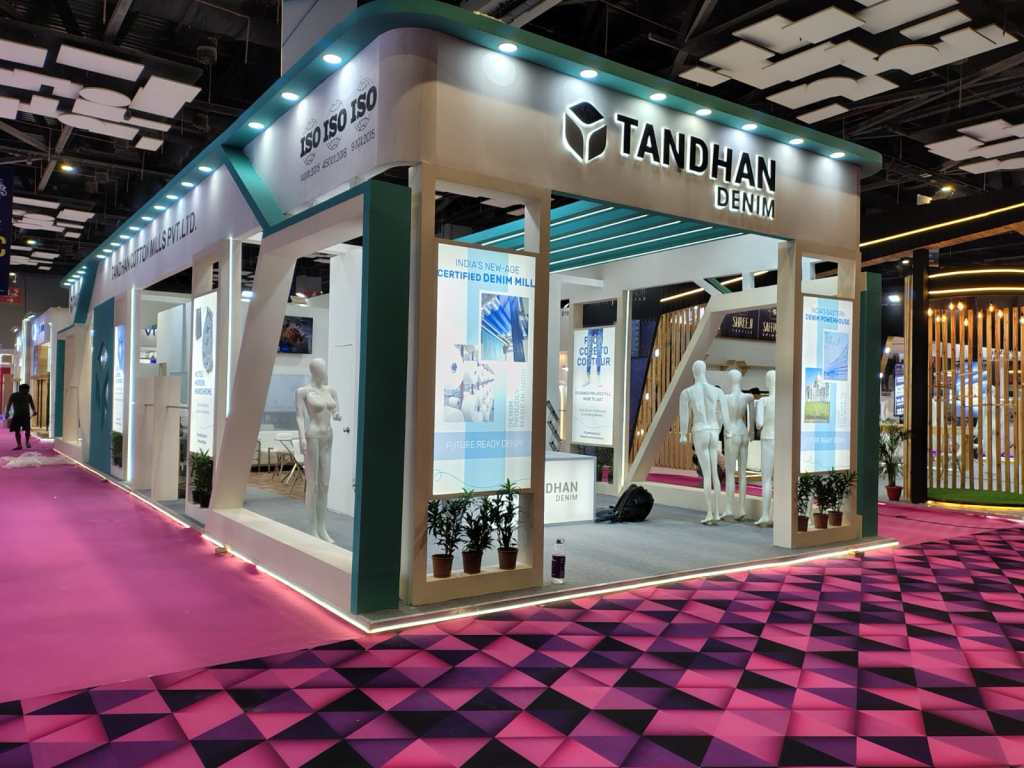
Sustainability is no longer just a buzzword—it’s a necessity. In today’s world of trade shows and expos, companies are rethinking their exhibition stall design and exhibition booth design to reflect eco-friendly practices. Exhibitors are not only judged by the creativity of their booths but also by their environmental responsibility. Audiences, especially younger generations, prefer brands that care about the planet. This shift has sparked a wave of innovative, sustainable design strategies that both attract attention and reduce waste.
In this article, we’ll explore why eco-friendly exhibition solutions matter, how to execute them effectively, and what exhibitors can do to future-proof their stands while still delivering impact.
Contact us to get your free design and quote.
The Shift Toward Green Exhibiting
Trade shows have traditionally been associated with excess: disposable materials, single-use giveaways, high energy usage, and massive amounts of post-event waste. But things are changing fast. Organizers, exhibitors, and visitors alike are calling for greener solutions in exhibition booth design.
Here’s why the shift is happening:
- Attendee Expectations – Studies show that consumers are more likely to engage with brands that showcase sustainable practices. Eco-conscious booth designs resonate deeply with modern audiences.
- Environmental Impact – Conventional booths often use PVC, foam boards, and non-recyclable plastics that end up in landfills. Switching to sustainable alternatives reduces carbon footprints.
- Long-Term Cost Savings – Though initial costs may be higher, modular and reusable booths cut down expenses across multiple shows.
- Brand Image & Reputation – Exhibitors who commit to eco-friendly practices position themselves as forward-thinking and responsible leaders.
This isn’t just a passing trend—it’s becoming the new standard in the exhibition industry.
Core Principles of Eco-Friendly Exhibition Booth Design
Sustainability doesn’t mean compromising on creativity. In fact, eco-friendly booths often stand out more because they embody innovation and responsibility. Exhibitors can follow a few guiding principles to design booths that balance aesthetics with sustainability:
- Sustainable Materials – Use recycled aluminum frames, bamboo panels, reclaimed wood, and biodegradable fabrics. These not only look premium but also reduce waste.
- Energy Efficiency – Replace traditional halogen lights with LED fixtures. Incorporate solar-powered solutions or energy-efficient digital displays to lower energy consumption.
- Minimal Waste Strategy – Focus on reusable graphics, modular furniture, and compostable promotional items. Instead of single-use flyers, opt for QR codes or digital brochures.
- Transport & Logistics – Lightweight, modular structures make shipping easier and reduce carbon emissions. Stands that can be flat-packed save space and fuel during transport.
By adopting these principles, exhibitors can reduce their environmental footprint while creating booths that reflect innovation and purpose.
Inspiring Ideas for Eco-Friendly Booth Execution
Exhibitors have an exciting opportunity to transform sustainable principles into stunning booth experiences. A few practical and creative ideas include:
- Modular Systems – Reusable booth structures allow exhibitors to adapt the same framework for different events, saving cost and resources.
- Natural Aesthetics – Incorporating greenery, vertical gardens, or natural textures not only creates an inviting space but also reinforces the eco-friendly theme.
- Technology Integration – Replace printed collateral with interactive touchscreens, VR or AR experiences, and lead-capture apps. These not only save paper but also engage audiences more effectively.
- Eco-Friendly Giveaways – Swap plastic freebies for sustainable alternatives like reusable tote bags, bamboo cutlery, or seed packets.
When executed creatively, sustainable booths don’t just appeal to eco-conscious attendees—they deliver memorable brand experiences.
Practical Examples of Sustainable Exhibition Stand Design
Exhibitors looking for real-world inspiration can find plenty of success stories in exhibition stand design. Companies across industries are proving that sustainability and impact can go hand in hand:
- Technology Sector – Brands use digital screens to run demos instead of bulky print displays, reducing paper use significantly.
- Fashion & Lifestyle – Exhibitors integrate recycled fabrics and reclaimed wood to reflect their brand’s eco-friendly values.
- Automotive Industry – Some companies have built stands entirely out of recycled aluminum and modular panels, reusing them across multiple trade shows.
The advantage of sustainable exhibition stand design is flexibility. Stands can be reconfigured for various spaces and themes without needing an entirely new build each time. This saves money while showcasing environmental responsibility.
Overcoming Challenges in Sustainable Booth Design
Despite the benefits, exhibitors often hesitate to adopt eco-friendly booths due to perceived challenges. Addressing these concerns can help overcome resistance:
- Budget Concerns – While sustainable materials may cost more upfront, they offer long-term savings through reusability and reduced waste.
- Supplier Limitations – Finding reliable vendors specializing in green solutions can be tough, but partnerships with certified sustainable suppliers are growing.
- Design Creativity – Some fear that eco-friendly options may limit creativity, but in reality, they often spark more innovative designs.
- Team Education – Exhibitors need to train their staff on sustainable practices to ensure booth operation aligns with eco-friendly goals.
By treating these challenges as opportunities, exhibitors can lead the way in responsible event participation.
Future of Green Exhibiting
The exhibition industry is evolving rapidly, and sustainability will be at the heart of its future. Key trends include:
- Biodegradable Materials – New innovations such as mushroom-based panels or recycled plastics are becoming commercially viable.
- Hybrid Experiences – Virtual and physical elements combined reduce the need for large builds while expanding audience reach.
- Organizer-Led Initiatives – Event organizers are beginning to set strict sustainability standards, pushing exhibitors to adopt greener practices.
- Smart Technology – AI-powered energy monitoring and interactive digital engagement tools will replace traditional, waste-heavy methods.
In the next decade, eco-friendly booths will no longer be optional—they’ll be the standard expectation across the global exhibition industry.
Conclusion: Leading with Eco-Friendly Exhibition Stall Design and Fabrication
Adopting sustainable practices in exhibitions is no longer just about compliance—it’s a chance to stand out. Eco-friendly booths not only minimize environmental impact but also boost brand credibility and audience trust.
By investing in thoughtful exhibition stall design and fabrication, exhibitors can create reusable, modular, and visually impactful spaces that reflect responsibility and creativity. Whether it’s choosing sustainable materials, adopting digital engagement tools, or rethinking logistics, every step toward sustainability counts.
Forward-thinking exhibitors who make the transition today will be the leaders of tomorrow’s trade shows. The future belongs to brands that care—for their audience and for the planet.
 Exhibition Stall Designs
Leave a comment